Smart Glasses Bring Benefits and Risks to the Workplace
Smart glasses are becoming commonplace thanks to AI. While the earliest models were little more than hands-free cameras and recording devices, AI has enabled capabilities such as video streaming, real-time translation, and facial recognition. Smart glasses have also become less clunky and more fashionable.
This Internet-connected eyewear offers significant benefits in the workplace, particularly in industries such as manufacturing, logistics and field services. Smart glasses give employees hands-free access to data, instructions, and checklists, which can increase task efficiency by more than 50 percent in some scenarios.
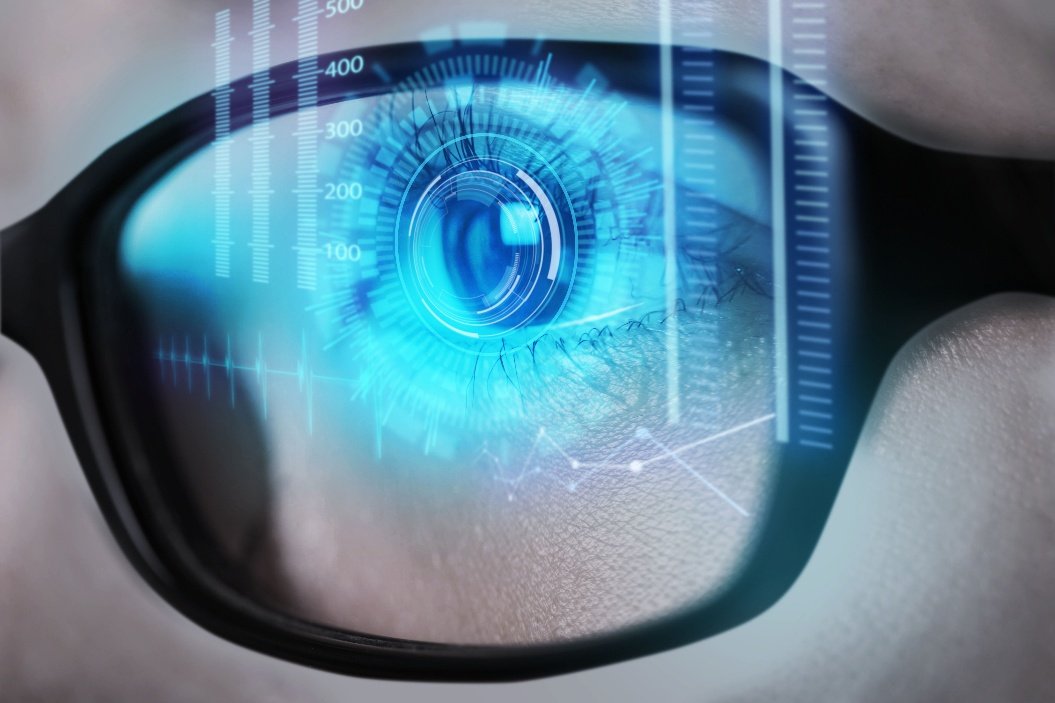
Smart glasses enable “see-what-I-see” support, allowing offsite experts to guide field technicians, reducing travel costs, and minimizing downtime. Augmented reality overlays can provide step-by-step guidance for complex assemblies, reducing errors and providing a faster training tool for new staff. Employees can receive real-time updates directly in their field of view without needing to check a phone or tablet.
However, smart glasses come with an array of risks. Because they can record video or audio discreetly, they can create a surveillance culture that damages trust, erodes collaboration and violates two-party consent laws. They also pose a high risk of corporate espionage or inadvertent data breaches, as they can easily capture, transmit and store sensitive data or proprietary processes to third-party AI platforms.
The constant display of notifications and visual data can be distracting, potentially leading to injuries when operating heavy machinery or in environments requiring full attention. Prolonged use of smart glasses can cause physical strain, including headaches, “tech neck”, and eye strain from constantly refocusing. Some users report visual fatigue from lower resolution or monocular displays.
Everyone plays a role in reducing these risks. If you own smart glasses or plan to buy them, consider these tips:
Never bring any device into the workplace that is not approved and managed by IT.
Follow your organization’s policies regarding the use of smart glasses.
If you need smart glasses due to a disability, be sure to get appropriate approvals.
Recognize that smart glasses can be distracting and should not be used while driving, operating machinery or performing tasks that require high focus.
If you use smart glasses to record conversations, be sure to inform all meeting participants. Never record in sensitive areas or places where people expect privacy.